The reassuring part is the design: SMART is an advisor, not a pilot — it reads about 200 data streams and suggests routes, but human traffic managers still say yes or no (avweb.com).
The unsettling part arrived days after the nationwide expansion: on November 13 every one of the 22 centers lost communications at once and all US flights were grounded — officials blamed aging telecom equipment, not the AI, and said there is no indication the two were linked (federalnewsnetwork.com; npr.org).
The lesson for anyone riding along: the smartest advice in the world still travels on fragile wires, and the tool's first national news cycle is now tied to a scare it probably didn't cause.
What happens next is politics, not technology. More than twenty members of Congress have demanded a pause until safety, training and oversight questions are answered, and lawmakers asked the GAO for reviews (mcclaindelaney.house.gov; federalnewsnetwork.com); meanwhile airlines praised the tool while the controllers' union — the people who actually accept or reject its advice — was not involved (arstechnica.com).
Expect a Thanksgiving-week test: if holiday traffic flows and the tool quietly keeps saving its 10 minutes and 80 gallons per rerouted flight, the pause talk fades; if there is one more glitch, every headline will say "AI" even when old hardware is the culprit.
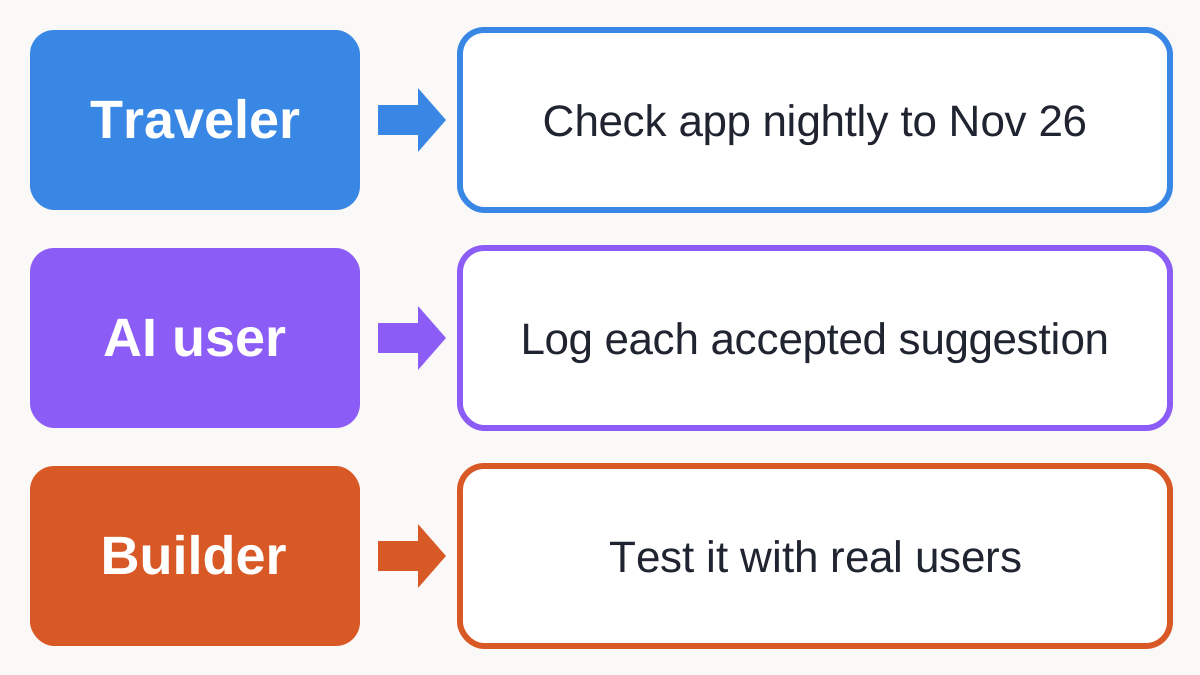
For people whose own jobs now include AI advisors, this is the pattern to copy or refuse: a machine that suggests, a named human who decides, and a log anyone can audit.
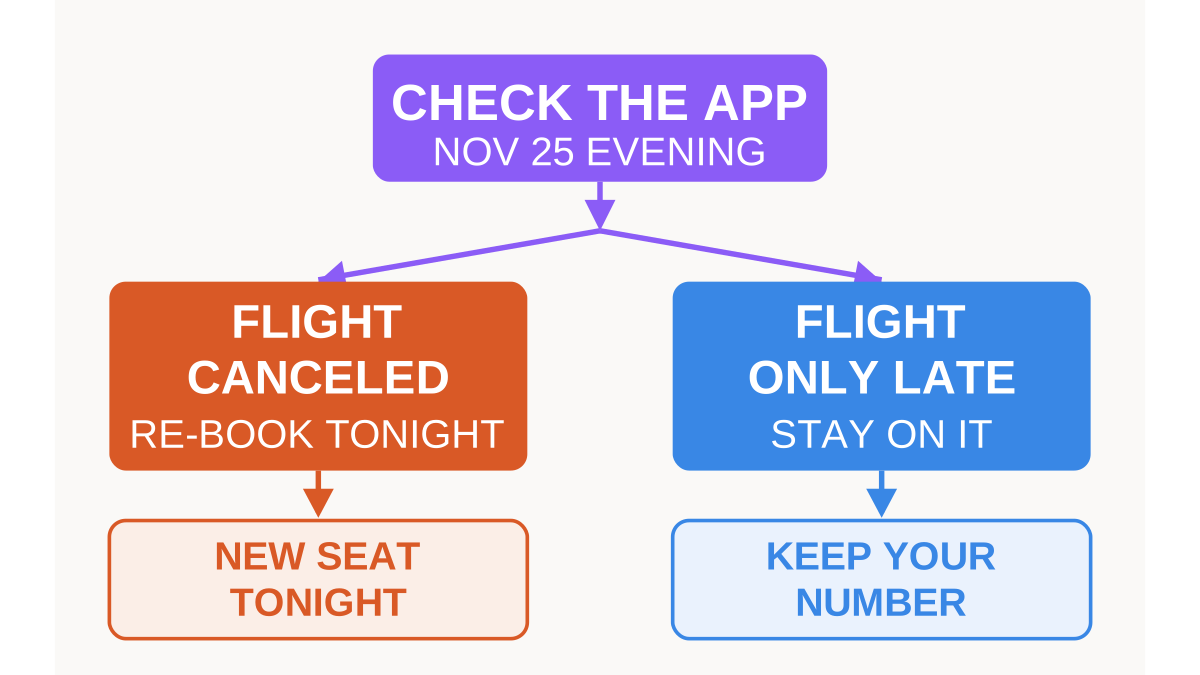
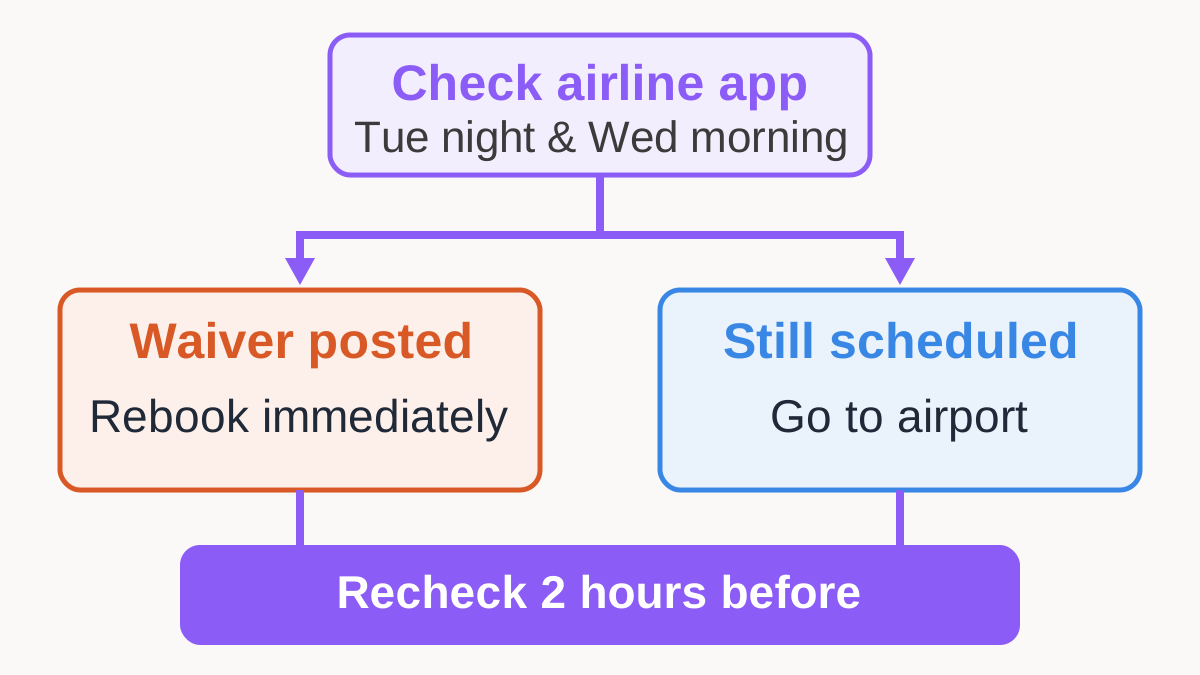
Travelers flying Thanksgiving week, starting today, Tuesday, November 17: if your trip routes through big Northeast hubs, fly early and check your airline's app the night before; if you fly after December 1, plan normally — for now the crowds, not the software, are the real delay risk.
And if you build AI agents, do what the FAA story proves matters: write down who can overrule the machine and how it is tested before rollout, because Congress's letter asks exactly those questions and one day someone will ask them of you.
Sources
- avweb.com
- arstechnica.com
- federalnewsnetwork.com
- npr.org
- mcclaindelaney.house.gov
- federalnewsnetwork.com
Its own forecast: NATCA, the air traffic controllers' union, publicly calls for a pause, formal training guarantees, or an oversight role for the SMART tool — 55% chance by Dec 17, 2026