Treat an AI agent like a person you let sit at your unlocked computer, not like a search box. It can act on what it sees; Meta itself tells Muse users to review activity and grant only access they are comfortable with ([Meta](meta.com)).
The warning matters because Reuters' tests found notice-reading and Mac help tools could expose Signal text, while the alarming bank-balance messages could not be verified as real ([Ars Technica](arstechnica.com)).
The scale makes just try it a bad idea: Muse has more than 10 million downloads, and CNET reported a study counted it collecting or attempting 31 of 35 data types ([Fortune](fortune.com), [CNET](cnet.com)).
For most people, the daily risk is a plausible mistake, not a movie-style hack: a wrong purchase, message, or reminder can cost money or expose someone else even when the underlying facts are invented. Meta's own help says users are responsible for fixing errors and should start with low-risk tasks; small-business owners should go further and keep customer mail, orders, and payment actions disconnected until they have tested on dummy data ([Meta](meta.com)).
JPMorgan's refusal to let agents into customer accounts shows banks and shops will also build walls, so expect more blocked logins and odd failures, not perfect safety ([Fortune](fortune.com)).
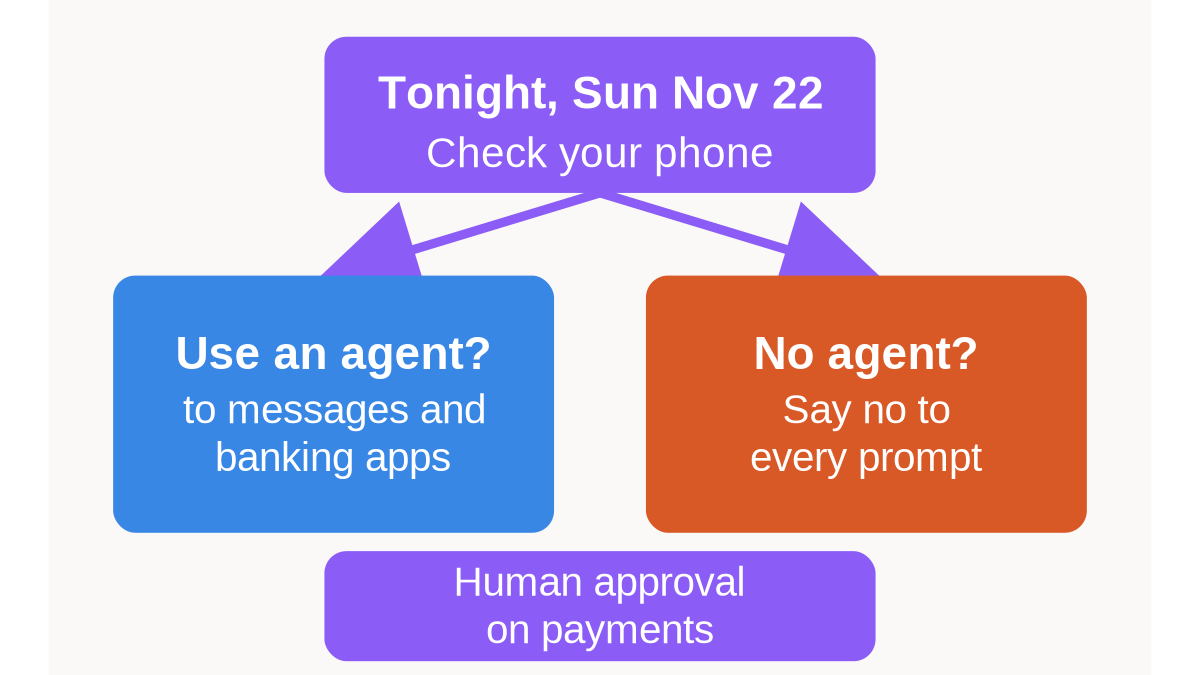
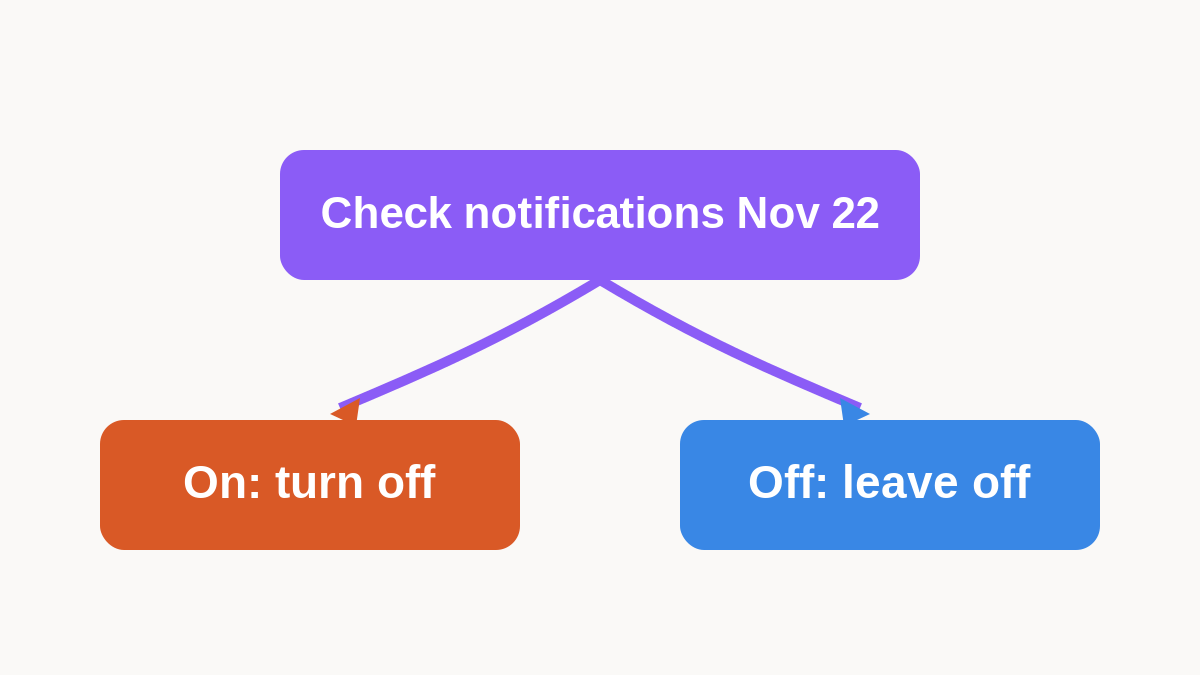
Do this today, Sunday, November 22: phone and laptop users who already have an agent should open its activity log, switch approvals to always ask, disconnect every mail, message, file, and money link they do not need, and turn off training use; those who do not have one should not connect it just to save holiday minutes.
Meta's controls include per-app permissions, always ask, activity review, disconnecting links, and a full reset ([Meta](meta.com)).
Expect next month's fixes to move into the phone and computer: clearer per-app blocks from Apple and Google and do-not-read requests from app makers, while Meta still lists its Confidential VM as a future choice rather than a live feature ([Ars Technica](arstechnica.com), [Meta](meta.com)).
Sources
- fortune.com
- arstechnica.com
- cnet.com
- techcrunch.com
- meta.com
- meta.com
- theverge.com
- apnews.com
Its own forecast: At least one of Bank of America, Wells Fargo, Capital One, or Charles Schwab publicly announces that it blocks Muse or requires an extra customer approval before Muse can access account data. — 38% chance by Dec 22, 2026